
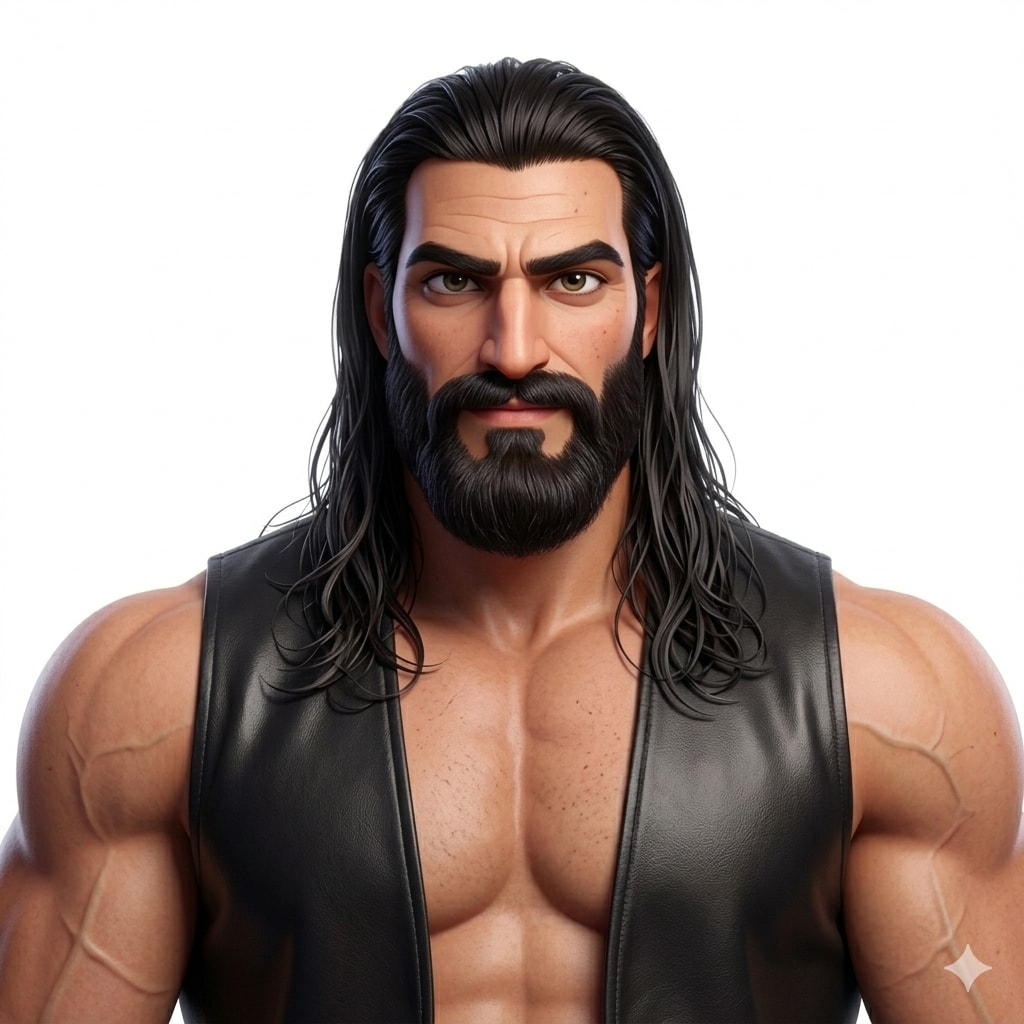
Kaveh (کاوه)
Kaveh the Blacksmith. Not a king, not a noble, just a man with a hammer who finally decides he’s had enough of living under  Zahak’s nightmare regime.
Zahak’s snakes need two human brains a day. Kaveh loses his sons to that system. Not metaphorically. Not symbolically. Just gone, processed into someone else’s survival plan. At some point, grief stops being quiet and turns into action.
So Kaveh does what no court, no army, no carefully worded complaint managed to do: he refuses.
He rallies the people. Not with divine prophecy or royal authority, but with something much rarer in this story, collective anger that actually organizes itself. He becomes the voice of everyone who’s been quietly losing everything while the throne pretends it’s sustainable.
Then he backs  Fereydun, because revolutions still need someone to put on the crown afterward. Together, they overthrow Zahak. One brings legitimacy, the other brings momentum. Turns out both are required if you want change to stick for more than five minutes.
And then there’s the banner.
Kaveh takes his leather blacksmith apron, the most ordinary object imaginable, sticks it on a spear, and raises it as a symbol of revolt. It becomes the Derafsh-e Kaviani, the royal standard of Persia.
So the emblem of power isn’t born from gold or divine blessing. It starts as workwear. Worn, practical, and soaked in the reality of people who actually paid the cost of tyranny.
Kaveh ends up as something this story rarely produces cleanly: a symbol that isn’t complicated by prophecy or royal bloodlines.
Just justice, anger, and the moment someone decided fear wasn’t enough to keep them quiet anymore.